


























News Releases & Statements
Filters
Clear Filters
Requires Login
-
 Conscious Cruising
Conscious Cruising
One of the world’s leading cruise companies, the Royal Caribbean Group was in on the sustainability game 30 years ago, long before sustainable tourism became a trendy mainstream conversational topic. Its Save the Waves programme continues today, and is recently joined by Destination Net Zero, which aims to reach net zero emissions by 2050.Commenting on the new announcement, Angie Stephen, vice president and managing director, Asia-Pacific, Royal Caribbean International, told TTG Asia: “This is a bold mission that will require a mix of solutions including rolling out new technology across our fleet, building more efficient ships, developing alternative fuel sources, and working across industries to develop new solutions that don’t even exist today.”Come 2023, the group’s Royal Caribbean International cruise brand will launch its first ship powered by Liquefied Natural Gas (LNG), Icon of the Seas. The second LNG-powered ship, Utopia of the Seas, will set sail in 2024.Committed to building one new ship every year for the next decade, the group is future-proofing its portfolio through fuel flexibility, energy-saving technologies and innovation to ensure each new ship class is 20 per cent more energy-efficient than its predecessor.Presently, it is already leveraging best-in-class technology such as AI-based engine optimisation to improve speed and fuel efficiency. The air lubrication system on its ships is also designed to reduce drag when sailing to augment energy efficiency.Thanks to significant upgrades in its heating, ventilation, and air conditioning, vessels now also utilise 40 per cent less energy than previous iterations.Apart from developing waste management technologies, the full fleet is equipped to be landfill-free.Roughly 90 per cent of the freshwater used onboard is produced via desalination plants and processes, and the group is taking water conservation further by using aerators and low-flow showerheads to cut usage.The group will also incorporate more sustainable fuels and use hybrid fuel cells that allow for zero emission.In a similar green vein, Norwegian Cruise Line (NCL) drives positive impact on society and the environment through its global sustainability programme, Sail & Sustain.Operating across all three brands within Norwegian Cruise Line Holdings (NCLH), the comprehensive initiative is centred on five pillars – reducing environmental impact; sailing safely; empowering its people; strengthening its communities; and operating with integrity and accountability.Like Royal Caribbean Group, NCLH is also pursuing net zero emissions by 2050 across its operations and value chain. This year, NCLH joined the Methanol Institute to assess the feasibility of retrofitting existing engines to operate with dual fuels – diesel and methanol – with the aim of trialling methanol usage by 2025.It has also established a target for approximately 70 per cent of the ships in its complete fleet to be equipped with shore power capabilities by 2025.In the short term, the company has committed to offset three million metric tons of carbon dioxide equivalent over a three-year period to 2023 to bridge the gap in its decarbonisation efforts.Identifying a tangible achievement specific to NCL, Braydon Holland, senior director, Asia, said 14 million single-use plastic water bottles and over 50 million plastic straws were removed from potential environmental harm through partnerships such as Flow Water, which uses sustainably produced paper-card packaging and a plant-based cap.NCL’s brand-new Prima Class of ships offer a wide range of sustainability features, with technologies such as a nitrogen oxide reduction system (SCR) that cuts the ship’s overall environmental impact. They will also be equipped with an Exhaust Gas Cleaning System (EGCS), an Advanced Wastewater Treatment System to treat and clean all wastewater to meet stringent international standards, and Cold Ironing functionality to connect to onshore power grids to reduce emissions further while in port.NCL’s responsible tourism efforts can be supported by guests when they patronise the sustainably-focused Metropolitan Bar onboard Norwegian Prima. It boasts zero-waste cocktails prepared with surplus ingredients, as well as a collection of sustainable spirits and biodynamic wines.A recent survey among its guests revealed that up to 55 per cent rate environmental and sustainability policies as a very important factor when selecting a cruise line.New-to-market Resorts World Cruises (RWC) also adheres to sound environmental practices in its operations, including increasing energy efficiency and recycling, conserving fuel and water, reducing solid waste generation, protecting marine life, and preventing oil pollution.For instance, its ship is equipped with Eniram trim optimisation; and the exterior hull coating system incorporates the most advanced silicone-based paint to decrease drag for better fuel efficiency. The vessel also uses an EGCS to minimise emissions.Besides, the company follows the highest marine industry standard where its bio-waste treatment system is equipped with dryers to incinerate or bag waste materials for offloading and disposal.RWC president Michael Goh told TTG Asia: “Customers’ expectations of conscious travel and carbon impact are definitely shaping sustainable cruise operations. It’s important for cruise lines to be at the forefront in developing and executing responsible environmental practices, and to lead by example.”With shore excursions forming a big part of the complete cruise experience, cruise companies are also making sure that their sustainable cruising promises are kept on land.To date, Royal Caribbean Group offers more than 2,000 Global Sustainable Tourism Council-certified tour destinations.NCL’s new Go Local series of destination tours take guests into local communities and offer immersive experiences such as spending time at a goat farm to learn the generations-old way of making cheese, and fishing with residents.A partnership with Alaska Native-owned Huna Totem Corporation has created authentic and sustainable ways to explore the region. This in turn provides jobs for the locals and maintains the area’s heritage and cultural values.On RWC’s part, tour options with lower carbon footprint, such as touring on foot or on trishaws, are encouraged, and so are visits to nature and heritage sites.Goh noted that there is heightened interest among cruise customers in such shore excursions, as well as those that are immersive and allow guests to interact with communities in the destination. 01 February, 2023 -
 CLIA announces enhanced sustainability focus with appointment of sustainability expert
CLIA announces enhanced sustainability focus with appointment of sustainability expert
World’s largest cruise industry trade association welcomes Sascha Gill as Vice President, Sustainability20 January 2023, Brussels – Cruise Lines International Association (CLIA), the leading voice for the global cruise industry, announced today that it would be strengthening its sustainability credentials in Europe with the appointment of Sascha Gill as Vice President, Sustainability.Sascha has previously worked as Vice President, Nautical Operations and has had several roles within hotel operations, and learning and development, for Viking. Before working in the cruise sector, Sascha held the position of Senior Consultant Brand Protection for Richey International with responsibility for Asia and the US. Previously, Sascha worked for leading hotel brands, namely Marriott, Intercontinental and Hilton. Sascha’s cruise experience also includes roles onboard Seabourn Cruise Line and Cunard.Sascha holds a Doctorate in Business from Nottingham Trent University, an MBA from Oxford Brookes University and is currently studying Environmental Policy Making and International Negotiations.“Europe is a global leader with its sustainability ambitions and the future of cruising has sustainability at its core”, said Marie-Caroline Laurent, Director General, Europe, CLIA. “Further strengthening our expertise and capability in Europe will enhance our ability to support our members as they navigate the pathways to achieve our vision of net zero carbon cruising by 2050.”In his new role, Gill will lead CLIA’s sustainability efforts in Europe. “I am delighted to be joining CLIA at such a critical time for the industry,” said Gill. “The cruise industry has shown its ability to lead environmental innovation within the maritime sector and I’m looking forward to working closely with our members and partners across Europe to help the industry to achieve its sustainability ambitions.”Contact: Julie Green, CLIA: +32 472570169; [email protected] 20 January, 2023 -
 Good Practices for Sustainable Cruise Tourism
Good Practices for Sustainable Cruise Tourism
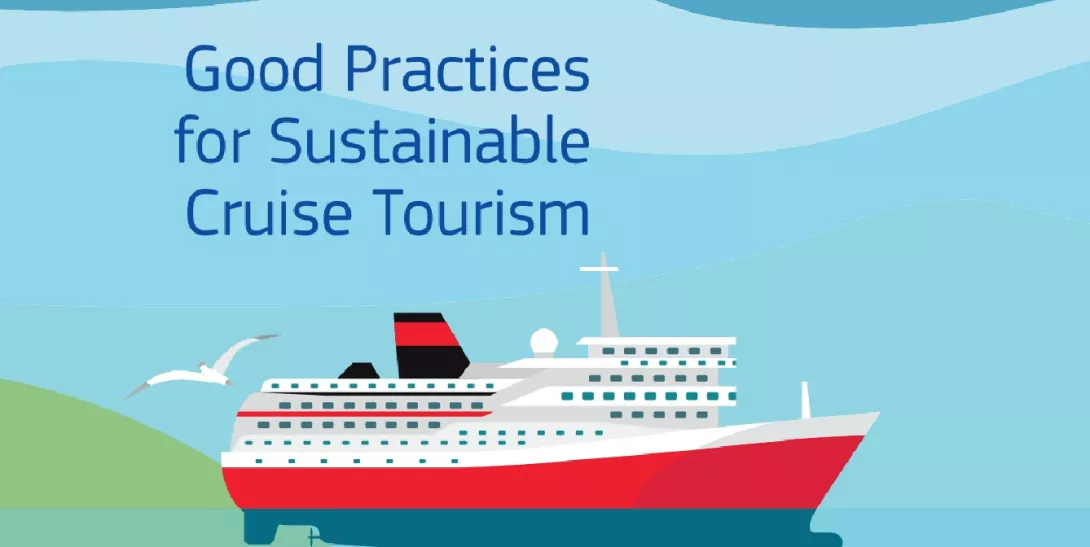
The European Commission has published its Good Practices for Sustainable Cruise Tourism Report which takes an in-depth look at the cruise industry and sustainable tourism and highlights several European case studies where projects or activities have had sustainability at their core with tangible results.While the cruise tourism industry faces a significant environmental mandate, the report finds that there is a plethora of green technological solutions available or in development.The report finds that the cruise tourism industry is considered proactive in trying to improve destination management, reduce its impact on the environment and increase its levels of social responsibility.But what is good practice? Good practice enhances collaborative efforts between stakeholder groups. It contributes to, facilitates and/or stimulates collaboration across these groups and is measurable.Seven examples (out of many others) are described in more detail in the Good Practices Report.Responsible tourism in practiceMost of the highlighted case studies also contribute to the EU green deal, which focuses mainly on sustainability from an environmental angle.The report concludes that cruise tourism industry is important for Europe. It contributes to economic activity and generates jobs. Although it only represents a small fraction of total global tourism, Europe is the second biggest cruise market after North America, both as a source of passengers and as a cruise destination.Read the full European Commission Good Practices for Sustainable Cruise Tourism Report. 19 January, 2023 -
 Demand for cruise holidays continues to rise, with Wave period now well under way
Demand for cruise holidays continues to rise, with Wave period now well under way
Cruise Lines International Association (CLIA) has released results from a new consumer sentiment survey, showing the demand for cruise holidays continues to increase.The survey was carried out with 4,500 domestic and international travellers. It reveals that for UK passengers:91% of respondents who have cruised previously said they intend to take a holiday at sea again, a 14% increase from 2019Of those who have never cruised, 72% are open to cruising, a 1% increase from 2019Of these two groups, 58% say they will book a cruise in the next two years61% of respondents who have cruised previously said they later returned to a destination they had first visited via cruise ship. The Mediterranean and Caribbean are the most re-visited destinations.Andy Harmer, CLIA UK & Ireland managing director, said: “With the crucial Wave booking period now well under way, 2023 is shaping up to be a very positive year for the cruise industry, so we're thrilled to see this level of interest and demand from holidaymakers. The incredible array of cruise ships, destinations and onboard experiences means there really is something for everyone who is considering a sea getaway.”The sentiment data is based on an independent, international survey of 4,500 holidaymakers in nine countries: the UK, France, Germany, Italy, Spain, the USA, Canada, Australia and Brazil. 12 January, 2023 -
 Fit for 55 Statement by CLIA Europe (Euro)
Fit for 55 Statement by CLIA Europe (Euro)
The “Fit for 55” package is a significant step towards the acceleration of the EU’s decarbonisation efforts. The cruise industry supports the long-term objectives of the EU Green Deal, and we are committed to pursuing net carbon neutral cruising in Europe by 2050. Furthermore, by driving innovation through shipbuilding in Europe, we believe the cruise industry has a decisive role to play as an enabler of European green growth, as enshrined in the EU Green Deal and EU Recovery Plans.A balanced and proportional regulatory framework for all sectors of the economy can pave the way to achieve the EU goal of carbon neutrality by 2050. It is also essential to address the complexities of such a substantial package of regulations by adopting a holistic impact assessment, because different elements of Fit For 55 will all impact each other.The cruise industry operates mobile assets globally, with ships sailing between countries and continents, with flexible itineraries and ships often transiting through European waters for limited periods at a time. Special attention should be given to assessing impacts of Fit For 55 on remote European coastal regions and islands that depend heavily on passenger shipping.A phased-in approach and a realistic implementation timeline will be essential to ensure the European maritime cluster has a chance to recover from the negative economic impact of COVID-19 crisis on this sector. CLIA Europe is committed to contributing to the policy discussion and making its expertise and experience available, partnering with all actors in the EU Institutions and member states to accelerate the development of alternative marine fuels that will be necessary for achieving the EU’s and CLIA’s decarbonisation ambitions.Ukko Metsola, Director General at CLIA Europe:“The cruise industry supports the long-term objectives of the EU Green Deal, and we are committed to pursuing net carbon neutral cruising in Europe by 2050. The introduction of carbon pricing will not alone solve the underlying core challenge, however, which is the lack of alternative marine fuels. Further political and regulatory attention will be needed to accelerate the development of alternative fuels and making them available for bunkering in European ports.The cruise industry is a European success story, as European shipyards maintain global competitiveness in cruise shipbuilding. This reality offers a significant opportunity to generate green growth and job creation in the European waterborne sector.The cruise industry operates mobile assets globally, with ships sailing between countries and continents, with flexible itineraries and ships often transiting through European waters for limited periods at a time. Special attention should be given to assessing impacts of the Fuel EU Maritime proposal on remote European coastal regions and islands that depends heavily on passenger shipping. A realistic implementation timeline of the Fit For 55 will be essential to ensure the European maritime cluster has a chance to recover from the negative economic impact of COVID-19 crisis on this sector.” 14 July, 2021 -
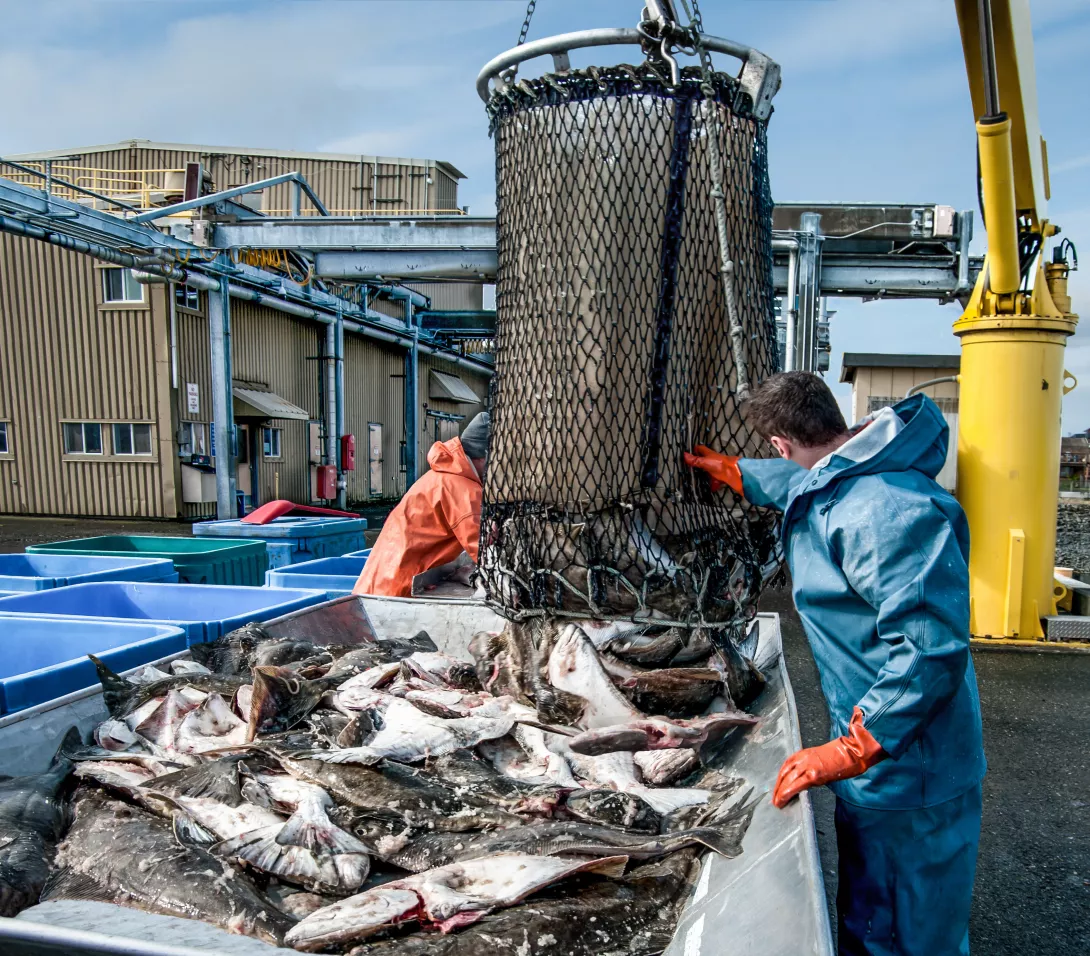 Cruise Lines and Alaska Seafood – a Natural Connection
Cruise Lines and Alaska Seafood – a Natural Connection
Sustainability. It’s more than a buzz word for Alaska’s cruise and seafood industries. It’s a movement – a system that is interconnected with mutual respect so important to us it’s mandated by our state constitution. In Alaska, we brag about our sustainable, wild seafood, and the culture of respect that is uniquely Alaska.These two industries are inextricably tied to our lives and livelihoods – past, present and future – demanding of themselves and others to operate responsibly. We do it as Alaskans and we expect others visiting our state to follow suit. Some might think it would be difficult to find another industry that could possibly match the level of commitment we have as Alaskans to protect our streams, rivers and oceans where our fish thrive. A surprising group is the cruise sector, one of the most misunderstood industries leading the way in environmental sustainability and embracing sustainable food sourcing – of which Alaska cruising is a model.Despite the size of some cruise ships, cruise itself is actually a very small part of a larger maritime industry. Cruise ships comprise less than one percent of the global shipping fleet, yet we are at the forefront of research and development, driving innovations from which the entire maritime industry benefits with technologies that protect the environment and the waters on which we all depend.Cruise Lines International Association (CLIA) is a global trade association representing more than 50 member cruise lines and 250 ships that comprise the vast majority of the world’s ocean-going passenger cruise capacity. We support policies and practices that foster a secure, healthy, and sustainable cruise ship environment. Our cruise lines meet and often exceed stringent national and international environmental laws and regulations and our clear commitment is to make net-zero carbon shipping a reality and to support a brighter, better and more responsible future.From utilizing alternative fuels, shore power, and state of the art wastewater treatment systems, to LED lighting and the elimination of single-use plastics, the cruise industry is committed to leading the way toward clean air, clean oceans and environmental responsibility. Efforts go beyond what you might expect, to special paints for ship hulls that reduce friction as ships sail, to onboard recycling and biodigesters that reduce food waste.Sustainability is at the heart of our culture at CLIA and drives what we do each and every day. Beyond our own operations, we seek partnerships with other industries and destinations who share our sustainability goals. For this reason, the marriage between cruise and Alaska seafood is a natural one. We know visitors are more focused than ever on where their food comes from, and Alaska seafood lets us tell a great story and serve a fantastic meal while our passengers enjoy the immense beauty of our state.Alaska’s fishermen know that wild seafood is one of Alaska’s most precious resources and, with their help, our state goes to great lengths to ensure its continued abundance. Alaska seafood is responsibly managed using a world-leading, science-based approach, which is verified by third-party sustainable seafood certifications like Alaska’s Responsible Fisheries Management (RFM) program to help fish stocks, communities and entire ecosystems thrive for generations to come.From fishermen and processors to scientists and law-enforcement officials, sustainability is not only crucial to Alaskans’ livelihoods and future, but it’s a deeply ingrained tradition that is important to the cruise industry.Beyond the efforts of individual member lines that bring more than 40 ships to our market, CLIA is working with ASMI to find ways we can strengthen the relationship between the cruise and seafood industries in Alaska. We share the common goal of sustainability and we both work to promote this beautiful state we live in and the immense resources we’re blessed with. Both industries are significant to Alaska — providing jobs and sustaining local economies. The collaborative efforts of our industries expand the positive impacts of Alaska seafood and tourism to a broader range of stakeholders and Alaska seafood enhances visitor enjoyment and tourism businesses throughout the State. As they say, “a rising tide lifts all boats,” and in this case, those are fishing boats and cruise ships. -
 Dubrovnik as a Model for Responsible Tourism
Dubrovnik as a Model for Responsible Tourism
Featuring UNESCO-designated natural and historic sites, the city of Dubrovnik is world-renowned for the richness of its historical, architectural, and cultural experiences. As tourism to Dubrovnik continued to grow in recent years, the city found itself at a crossroads, and needing to decide which path to choose. City leaders wanted to capture the social and economic benefits of tourism for residents while safeguarding the long-term sustainability of the city for the good of future generations.Dubrovnik’s response to this modern-day dilemma offers a model for cities on how to introduce responsible tourism principles into their planning processes.Dubrovnik Mayor Mato Franković and the municipality leadership team began by posing two questions. What are the impacts of tourism on the city’s natural and cultural attractions? How well is the city managing these impacts to protect the integrity of its resources for its residents and future generations to enjoy? To help find out the answers, the city commissioned the Global Sustainable Tourism Council (GSTC) to assess Dubrovnik’s sustainability status, using the global criteria for sustainable destinations. CLIA funded the GSTC assessment as part of CLIA’s cooperation with the City of Dubrovnik.The findings were revealed in June in Dubrovnik, and the results are telling. Particularly noteworthy was the city’s “impressive” score for “destination management organization” which the report concludes indicates “a well-functioning model of public-private sector collaboration.” The report also concludes that “collaboration and innovation are natural strengths of the city.”This praise comes as no surprise to those of us in the cruise industry who have enjoyed a constructive dialogue with the Dubrovnik municipality for some years. We have invested time to listen to each other, to learn, and ultimately to work together to find solutions to the issues raised by residents and businesses.While most visitors travel to Dubrovnik by air, the city is a popular cruise destination. To help the city manage its visitor flow, the cruise industry wanted to play a leadership role and set an example.As a result, last July, Cruise Lines International Association (CLIA) signed a Memorandum of Understanding with the City of Dubrovnik. During the 2018 and 2019 season CLIA cruise lines staggered arrival and departure schedules to manage visitor flow and help relieve congestion at the Old Town's Pile Gate. Cruise lines have also been working with the local community to develop new tours to include sites outside the Old Town, as well as supporting the Mayor’s ‘Respect the City’ programme educating tourists on respectful behaviour.All those involved in brokering the agreement believed that it was possible to maximize the economic and cultural benefits of tourism in Dubrovnik through successful tourism management and were willing to work together towards that vision. As Mayor Mato Franković puts it in the GSTC report: “The key to the success of each destination is management.”As we reflect on the future for responsible travel, the example of Dubrovnik demonstrates the power of collaboration between public and private sector and local communities. Collaboration is the key, and it is a powerful tool that is often untapped. As the world learns more about our current global health crisis, society is recognising the importance of collaboration to address issues that impact us all. We need to work together to identify common solutions.The result offers an example for how popular destinations can preserve the unique culture and heritage that draw thousands of visitors each year. When we share a common vision, put aside commercial competition, and develop an open, frank dialogue with our partners, together, we can find the right path.