























Asia
The cruise industry in Asia has seen rapid growth in recent years, driven by expanding markets, diverse tourism offerings, substantial infrastructure investments, and increasing popularity among Asian consumers.

Passengers
2.6 Million
Asia generated 2.6 million passengers in 2024, a 13% increase from the previous year
Global Percentage
13.9%
Singapore, at 817K passengers in 2023 achieved a record-breaking penetration figure of 13.9%
Featured Areas
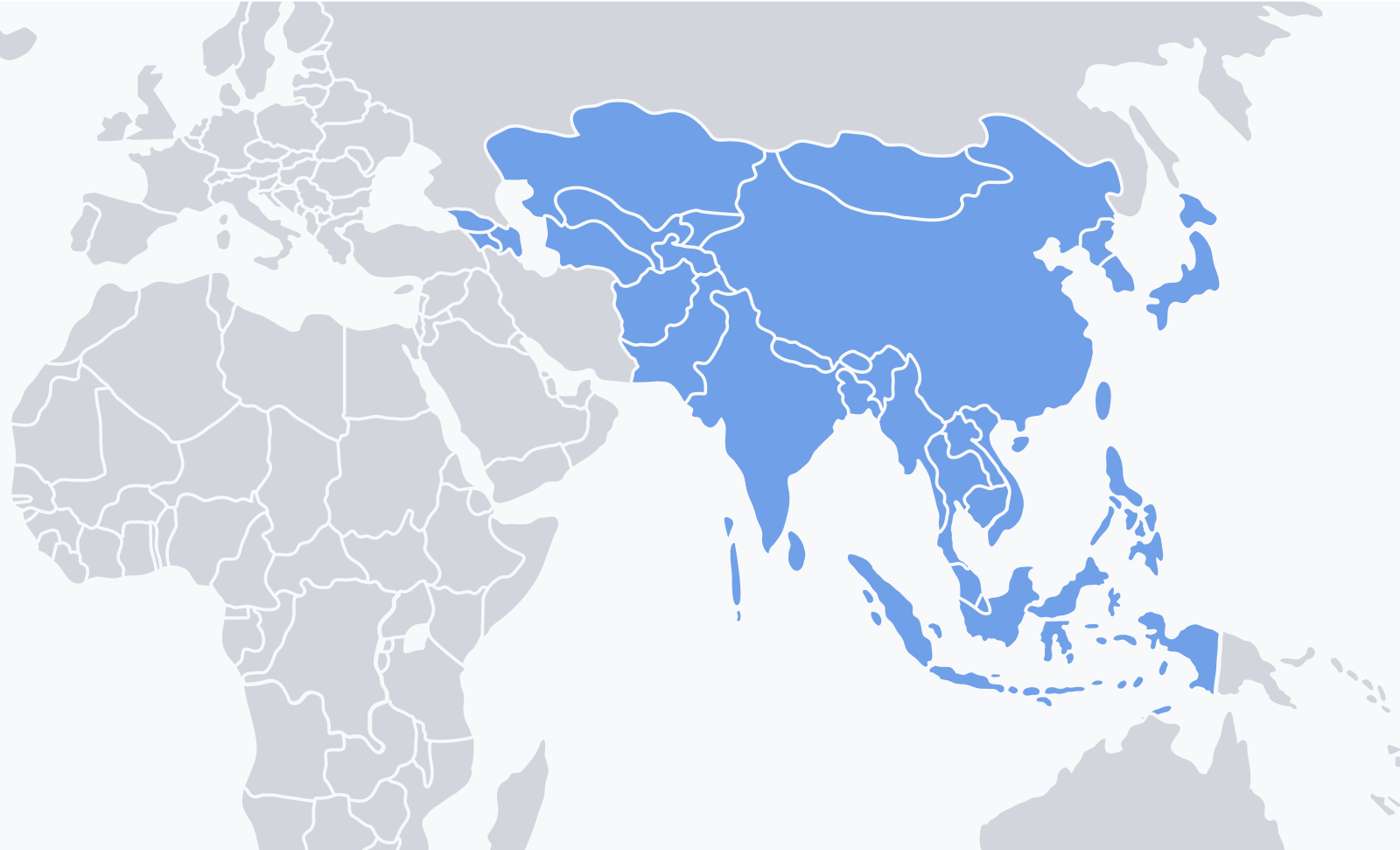
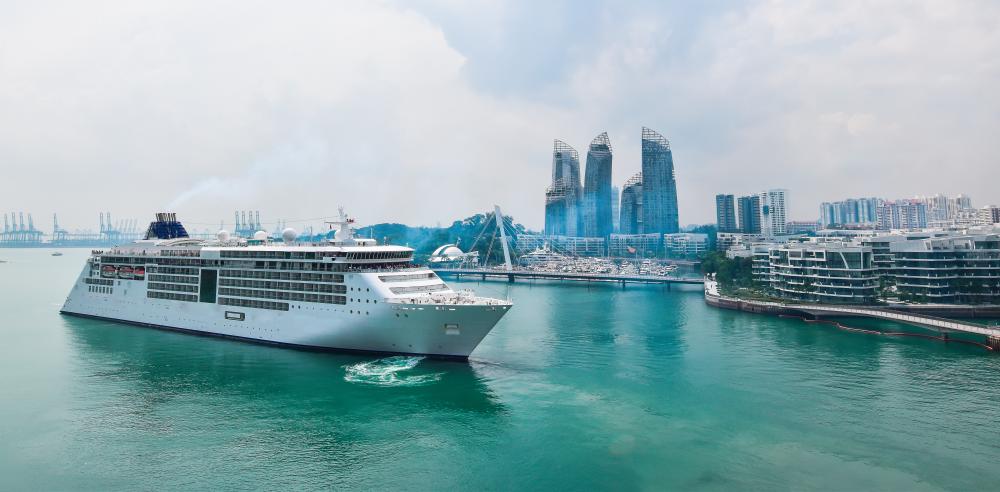
- Singapore: A strategic hub with advanced cruise terminals, Singapore is the gateway for Southeast Asian cruises and has become central to regional itineraries.
- Japan: Increasingly popular with international travelers, offering diverse ports like Yokohama, Kobe, Osaka, and Okinawa, along with cultural experiences and scenic landscapes.
- Mainland China: Is growing due to growing middle-class income, outbound tourism demand, and large port developments.
- South Korea: Major ports include Busan, Incheon, and Jeju Island, drawing tourists interested in cultural heritage, shopping, and local cuisine.
- India and Southeast Asia: Growing in popularity with ports in Mumbai, Kochi (India), Laem Chabang (Thailand), Penang, Kuala Lumpur (Malaysia), and Bali (Indonesia).

Seasonality
Year-Round Cruising
Year-round cruising is increasingly common, especially in Southeast Asia due to favorable climate conditions.

Destinations
Key Itineraries
Key itineraries include voyages to Japan and Korea (spring cherry blossoms), Southeast Asia explorations, Chinese coastal cruises, and longer voyages to Australia, New Zealand, or the Pacific Islands.

Trend
Luxury and Experiential
Increasing preference for personalized, upscale cruise experiences catering to Asian tastes, cuisines, cultural activities, and entertainment.

Investment
Infrastructure Investments
Extensive improvements in cruise terminals and port facilities across key markets such as Shanghai, Singapore, and Tokyo.
Family and Multi-generational Travel
A major growth driver in Asia, cruise lines specifically targeting families and multi-generational travel through tailored onboard activities, family-friendly amenities, and diverse shore excursions.
Rapid economic growth in countries like China, India, and Southeast Asian nations supports increases in consumer spending on leisure and travel.
Future Outlook and Trends
- Sustainable Tourism Initiatives: Increasing adoption of green technologies and eco-friendly practices (e.g., cleaner fuel, waste management, and energy-efficient systems).
- Regional Collaboration and Expansion: Opportunities for strategic partnerships between cruise companies and local governments to enhance infrastructure, streamline regulations, and promote destination marketing.
- Technological Innovation: Digital enhancements and smart technologies in booking systems, onboard experiences, and port operations to appeal to tech-savvy Asian consumers.
Asia Leadership